What Safety Inspectors Check in Automotive Manufacturing Plants
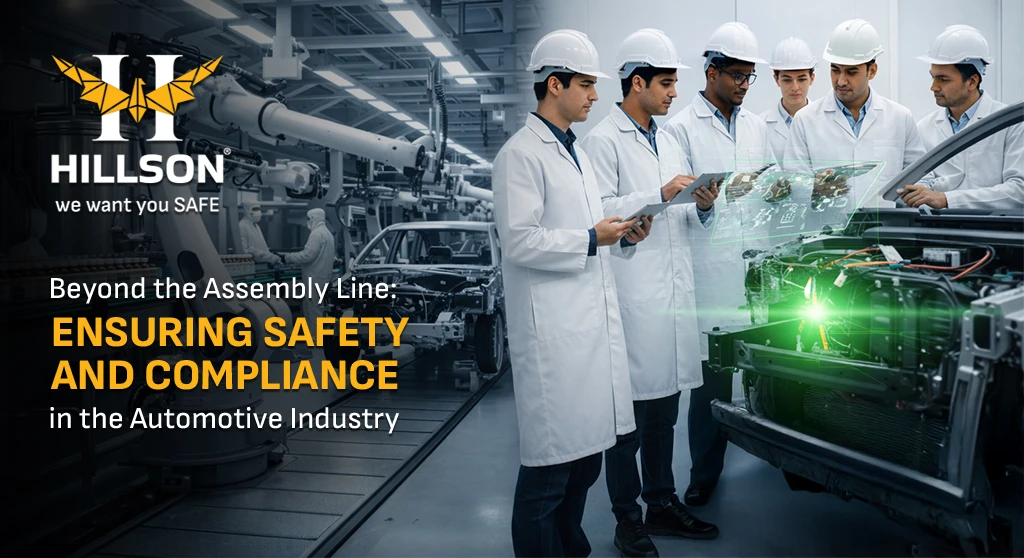
Automotive manufacturing plants are complex work environments. With heavy machinery, moving components, welding operations, paint booths, and continuous production lines, safety inspections play a critical role in keeping workers protected and operations compliant.
Safety inspectors do not review paperwork alone. They assess real working conditions on the shop floor, observe worker behaviour, and verify whether safety systems are being followed consistently. Understanding what inspectors check helps plants stay prepared and reduce audit observations.
1. Workplace Hazard Identification
One of the first aspects safety inspectors evaluate is how well hazards are identified and controlled across the automotive plant.
They look for:
Oil, grease, and coolant spills on floors
Sharp metal scraps or loose components
Moving equipment and pinch points
Heat exposure in welding and fabrication zones
Inspectors verify whether risks are clearly identified and whether preventive measures are in place to avoid accidents.
2. Personal Protective Equipment (PPE) Compliance
PPE compliance is a major focus during safety audits. Inspectors observe whether workers are wearing appropriate protective equipment for their tasks.
This includes:
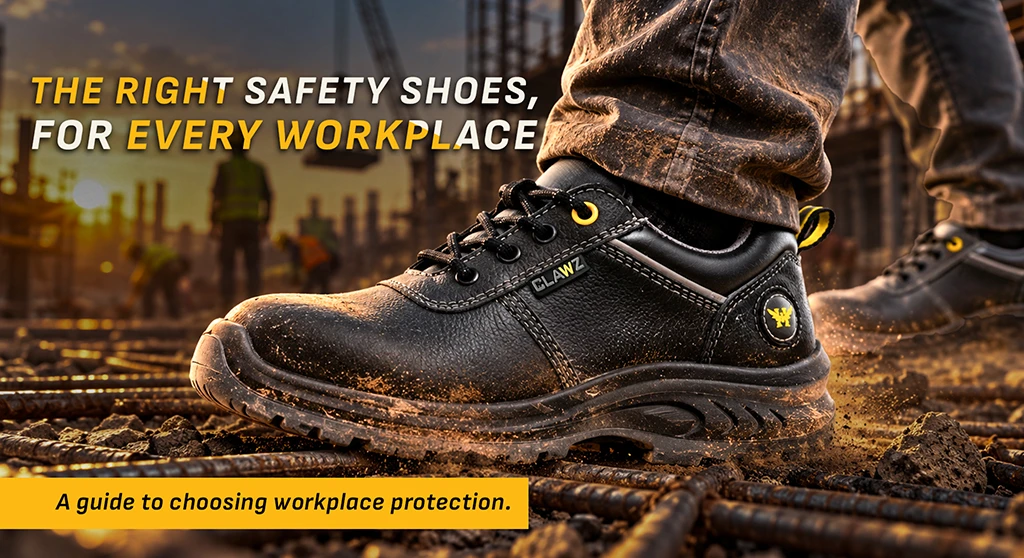
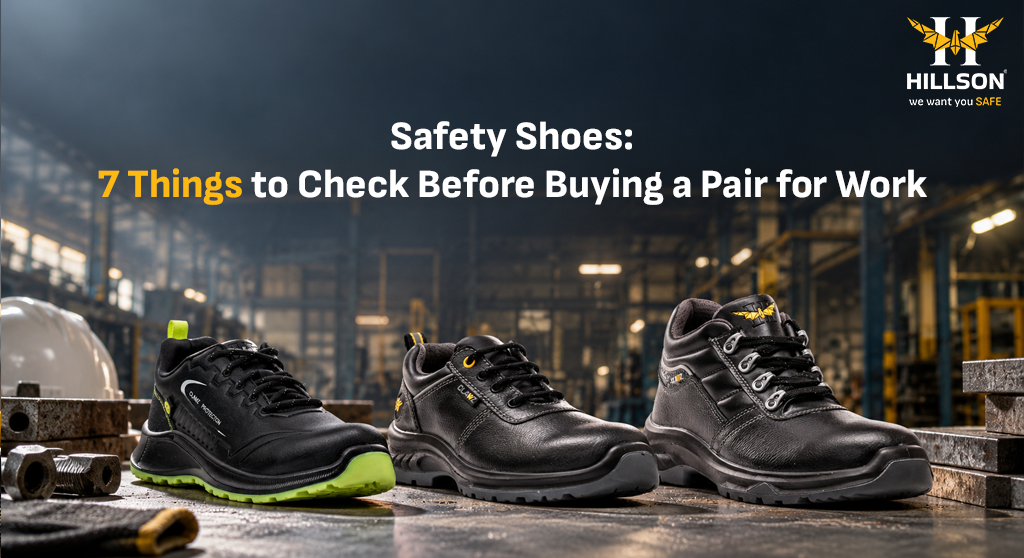
Safety footwear suited to the work environment
Gloves, helmets, and eye protection
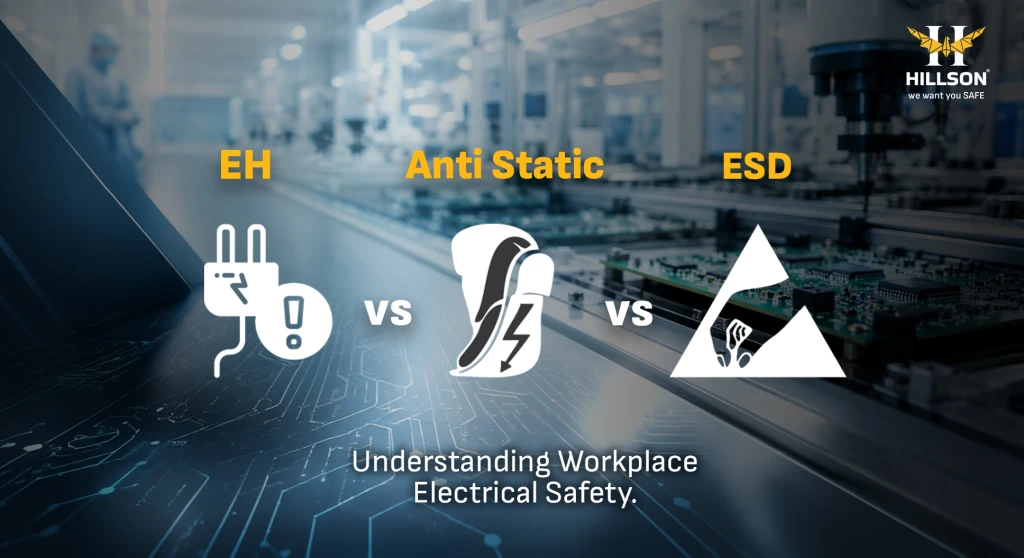
ESD protection in paint and electronics zones
Footwear is closely reviewed because slips, impacts, and puncture injuries are common risks in automotive plants.
3. Safety Footwear Standards and Condition
Inspectors check whether safety shoes meet required standards and are suitable for specific plant zones.
They typically verify:
Certification as per EN ISO 20345 or IS 15298
Slip resistance on oily or wet floors
Toe protection against falling components
Sole condition and wear levels
Worn-out or non-compliant footwear often results in audit observations.
4. Machine Guarding and Equipment Safety
Automotive plants rely heavily on machines, robots, conveyors, and presses. Inspectors examine whether machine guards are properly installed and functioning.
They assess:
Emergency stop systems
Interlocks and guarding mechanisms
Safe distance from moving parts
Maintenance records for critical equipment
Unsafe or bypassed guards are treated as serious violations.
5. Safety Training and Awareness
Inspectors often interact directly with workers to assess their level of safety awareness.
They may ask:
Whether workers know emergency procedures
If they understand PPE requirements
How incidents or near misses are reported
Training records and refresher programs are also reviewed to ensure ongoing compliance.
6. Emergency Preparedness and Signage
Emergency readiness is another key audit area. Inspectors verify whether the plant is prepared to handle incidents quickly and safely.
They check:
Emergency exits and evacuation routes
Fire safety equipment and accessibility
Clear safety signage and hazard warnings
Availability of first-aid facilities
Visibility and accessibility are critical during emergencies.
Why These Checks Matter
Safety inspections are not just about passing audits. They help automotive plants:
Reduce workplace injuries
Improve compliance with safety standards
Maintain productivity and workforce morale
Build trust with OEMs and regulatory bodies
Plants that proactively address safety tend to perform better during audits and experience fewer operational disruptions.
Final Thoughts
Safety inspectors look beyond policies and certificates. They focus on real practices, real behaviour, and real working conditions. In automotive plants, consistent PPE usage, compliant safety footwear, clean floors, and trained workers make a measurable difference.
Understanding what inspectors evaluate helps organisations build safer workplaces, improve audit outcomes, and protect the people who keep production running every day.