Close

Blogs

Safety Footwear Requirements for Automotive Plants
blog

by Hillson Jan Tue 2026

Safety Footwear Requirements for Automotive Plants

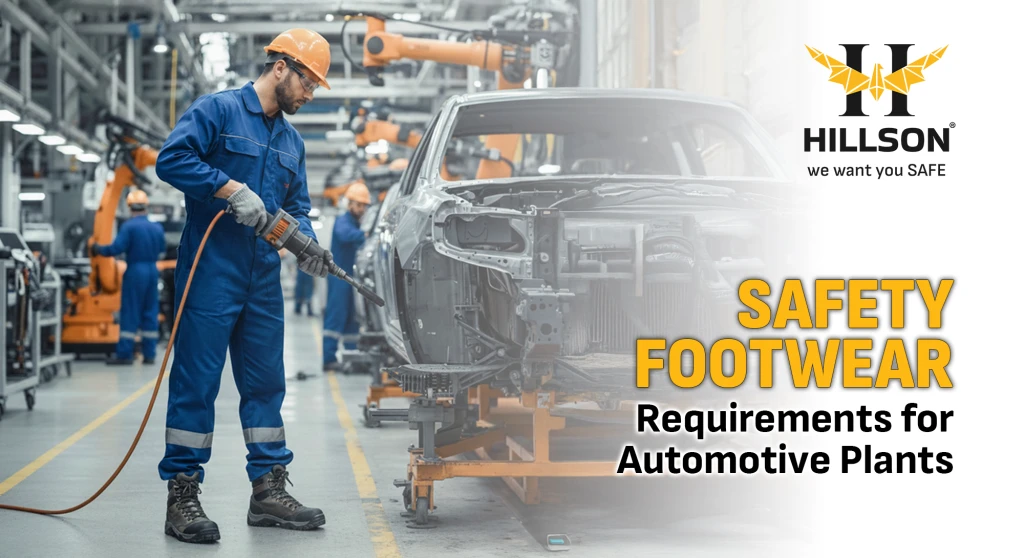
Automotive plants are high-activity, high-risk environments. From assembly lines and machining areas to material handling and maintenance zones, workers are exposed to multiple safety hazards every day. One of the most important protective elements in these environments is safety footwear.

Choosing the right safety footwear for automotive plants is not just about compliance—it plays a key role in reducing injuries, improving comfort during long shifts, and maintaining consistent productivity.

This blog explains the basic safety footwear requirements for automotive manufacturing environments simply and practically.

Why Safety Footwear Is Critical in Automotive Plants

Automotive plants involve:

  • Moving machinery and equipment

  • Oil, grease, and coolant spills

  • Heavy components and tools

  • Long-standing and walking hours

  • Heat, metal scraps, and sharp debris

Foot injuries, slips, and fatigue are common risks when footwear is not suited to these conditions. That is why automotive-specific safety footwear requirements are different from general industrial footwear.

Key Safety Footwear Requirements for Automotive Environments

1. Slip Resistance on Oily and Wet Floors

Oil and coolant spills are common in automotive plants. Footwear must provide strong slip resistance to reduce the risk of falls.

What to look for:

  • Certified slip-resistant outsoles

  • Cleat designed patterns for oily surfaces

  • Consistent grip across long working hours

Why it matters:
Slips are one of the leading causes of injuries in automotive facilities.

2. Toe Protection from Impact and Compression

Falling tools, components, and parts are a regular risk during assembly and handling operations.

What to look for:

  • Steel or composite toe caps

  • Compliance with safety standards (impact and compression resistance)

Why it matters:
Proper toe protection helps prevent serious foot injuries during daily operations.

3. Puncture Resistance from Sharp Objects

Metal scraps, sharp edges, and debris are often present on automotive production floors.

What to look for:

  • Penetration-resistant midsoles

  • Mid steel plate to block entry of sharp objects

Why it matters:
Puncture injuries can lead to downtime, medical issues, and lost productivity.

4. Heat and Oil Resistance

Automotive plants expose footwear to heat, oils, fuels, and chemicals.

What to look for:

  • Heat-resistant outsoles

  • Oil- and chemical-resistant materials

  • Soles that maintain grip even after exposure

Why it matters:
Standard footwear can break down quickly when exposed to oils and heat.

5. Comfort and Fatigue Reduction for Long Shifts

Workers often stand or walk for long hours during automotive production shifts.

What to look for:

  • Cushioned and shock-absorbing insoles

  • Breathable upper

  • Ergonomic design that supports natural movement

Why it matters:
Foot fatigue reduces focus and increases the risk of errors and accidents.

6. Proper Fit and Ergonomic Design

Poorly fitting footwear causes discomfort, blisters, and uneven walking posture.

What to look for:

  • Correct sizing and width options

  • Secure fit without pressure points

  • Flexible design for bending and movement

Why it matters:
Comfortable footwear supports safety throughout the entire shift.

7. Durability for Automotive Working Conditions

Automotive environments involve constant movement, abrasion, and surface contact.

What to look for:

  • Durable outsole materials

  • Strong upper construction

  • Footwear designed for repeated daily use

Why it matters:
Frequent footwear failure leads to non-compliance and higher replacement costs.

Compliance and Safety Standards in Automotive Plants

Safety footwear used in automotive plants should meet applicable:

  • National safety standards

  • Industry-specific safety requirements

  • Internal plant safety policies

During safety audits, inspectors often check:

  • Footwear condition

  • Suitability for the working environment

  • Consistency between documented policies and actual usage

Final Thoughts

Safety footwear in automotive plants is not just a protective requirement—it is a key part of daily operational safety. Slip resistance, impact protection, fatigue reduction, and durability all play an important role in keeping workers safe and productive.

Selecting safety footwear designed for automotive manufacturing conditions helps reduce injuries, improve comfort during long shifts, and support compliance across plant operations.

FAQs – Safety Footwear for Automotive Plants

1. Why is slip resistance important in automotive plants?
Because oil and coolant spills are common, slip-resistant footwear helps reduce fall-related injuries.

2. Do automotive plants need different footwear than other industries?
Yes. Automotive environments involve specific risks such as oils, heat, heavy components, and long shifts.

3. How often should safety footwear be replaced in automotive plants?
Footwear should be replaced when grip reduces, cushioning wears out, or protective features are damaged.

4. Are lightweight safety shoes suitable for automotive work?
Yes, as long as they meet safety standards and provide durability, grip, and protection.

5. What do safety auditors look for in footwear?
Auditors check suitability, condition, compliance with standards, and consistency with safety policies.

Recent blogs
