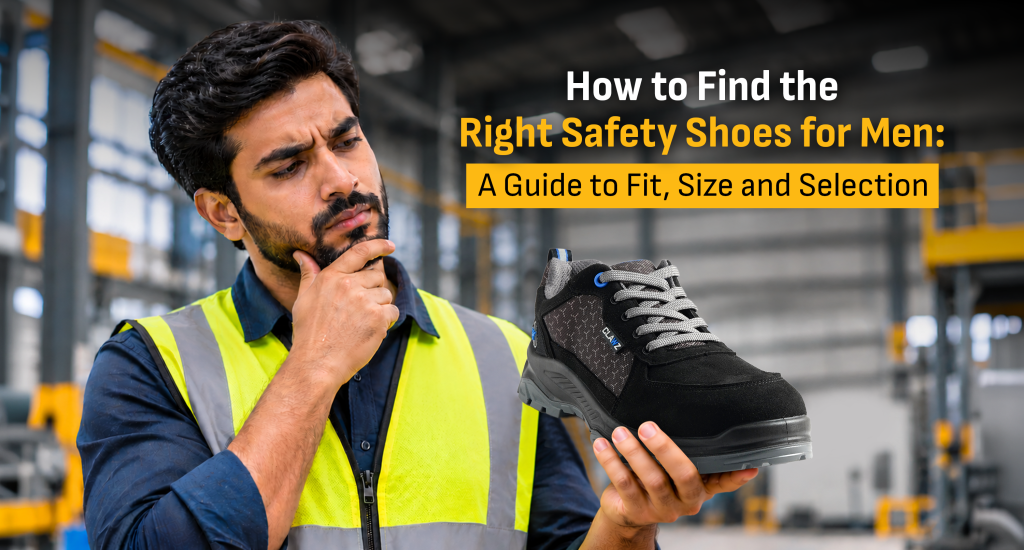
Choosing the right pair of safety shoes for men involves more than finding a comfortable design or selecting a familiar shoe size. In workplaces such as construction sites, manufacturing facilities, warehouses and engineering units, footwear must provide appropriate protection while allowing employees to move and perform their tasks effectively.
An incorrect fit can create pressure around the toes, cause unnecessary friction and make footwear difficult to wear throughout a working shift. Similarly, choosing a pair without considering workplace hazards may leave employees without the protection their jobs require.
Whether you are purchasing safety footwear for personal use or selecting products for an entire workforce, understanding sizing, fit and protective features can help you make a more informed decision.
This guide explains how to choose safety shoes for men based on foot measurements, fit, workplace conditions and essential safety requirements.
Why the Right Fit Matters in Safety Shoes
Safety shoes are designed to protect the feet from specific workplace hazards. However, their effectiveness also depends on whether they fit the wearer correctly.
Footwear that is too tight may create pressure around the toes and sides of the feet. Shoes that are too loose can allow excessive foot movement, increasing friction and affecting stability while walking.
A properly fitted pair should:
Provide sufficient room for the toes to move naturally.
Hold the heel securely without excessive slipping.
Avoid uncomfortable pressure around the sides of the foot.
Allow the wearer to walk without rubbing or unnecessary movement.
Accommodate the socks normally worn during work.
The protective toe cap should not press against the toes during normal standing or walking. It is also important to remember that a shoe should not be expected to stretch significantly to correct an incorrect fit.
How to Measure Your Feet for Safety Shoes
Foot measurements are a useful starting point when selecting safety shoes, particularly when ordering online.
Follow these steps to measure your feet accurately:
Step 1: Measure at the Right Time
Measure your feet towards the end of the day, when they may be slightly larger than in the morning. This can help account for normal changes in foot size during daily activity.
Step 2: Place Your Foot on a Flat Surface
Stand on a sheet of paper with your heel positioned against a wall. Keep your weight evenly distributed while measuring.
Step 3: Measure the Length
Mark the position of your heel and the tip of your longest toe. Measure the distance between these two points.
Step 4: Measure Both Feet
Repeat the process for the other foot. If there is a difference, use the measurement of the larger foot when selecting your size.
Step 5: Check the Brand's Size Chart
Compare your measurements with the manufacturer's size chart. Shoe sizing can vary between brands and models, so avoid relying only on the size you wear in ordinary footwear.
For the best result, try on the shoes with the type of socks you normally wear at work.
How Should Safety Shoes Fit?
Knowing your shoe size is only one part of the selection process. The actual fit should also be checked before purchasing safety footwear.
Here are five areas to assess:
1. Toe Room
Your toes should have enough space to sit naturally without pressing against the protective toe cap. There should be no uncomfortable contact when standing, walking or bending your knees.
2. Heel Fit
The heel should remain properly positioned inside the shoe. Minor movement may occur in some footwear designs, but excessive heel slipping can cause friction and discomfort.
3. Width and Side Pressure
The shoe should not squeeze the sides of your feet. If you experience pressure around the widest part of your foot, consider a different size or a model with a more suitable fit.
4. Instep and Fastening
The upper part of the shoe should hold your foot securely without creating excessive pressure across the instep. Laces and other fastening systems should allow you to adjust the fit appropriately.
5. Walking and Movement
Walk around in both shoes before making a decision. Check whether your feet remain stable and whether you experience rubbing, pressure or unusual movement.
A good fit should feel secure without restricting natural foot movement.
How to Choose the Right Safety Shoes for Men
Once the sizing is clear, the next step is selecting safety shoes for men that match your working environment. Different jobs involve different hazards, and safety footwear should be selected accordingly.
1. Identify the Workplace Hazards
Start by understanding the risks associated with your daily tasks.
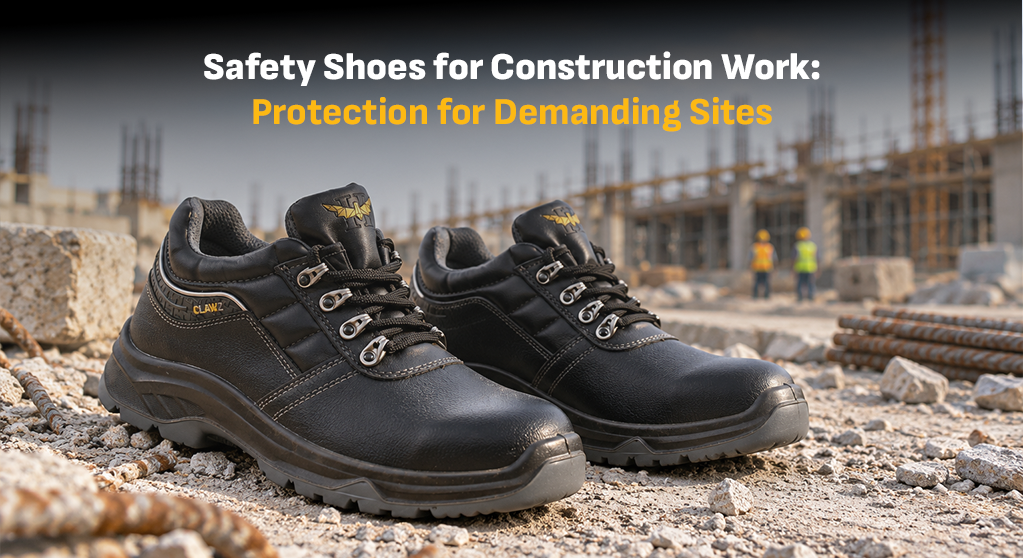
Construction: Falling materials, sharp objects, uneven surfaces and heavy equipment.
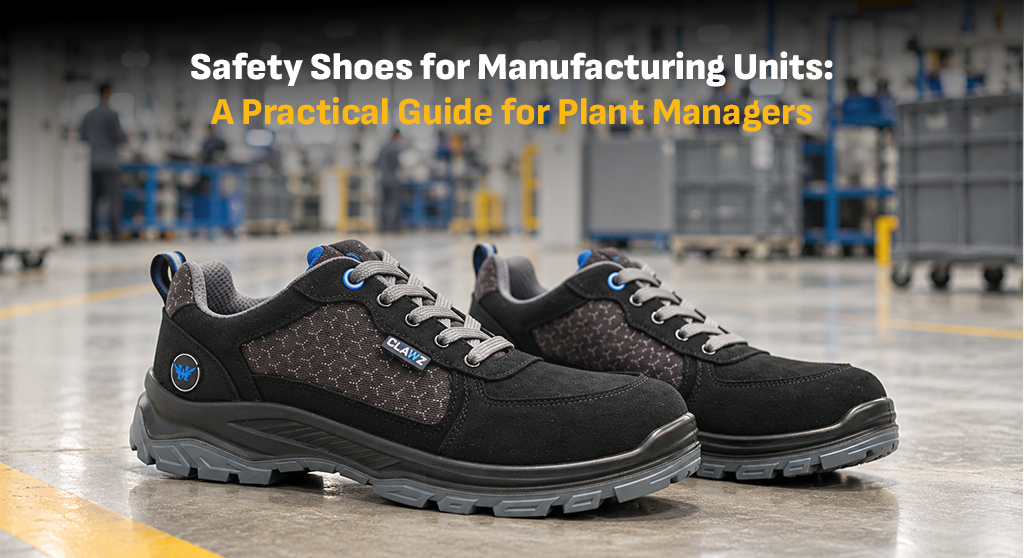
Manufacturing: Machinery, metal components, material handling and industrial floor conditions.
Warehousing: Frequent walking, loading operations and movement around storage equipment.
Automotive: Tools, vehicle components, workshop equipment and possible oil contamination.
A workplace risk assessment should determine which protective features are necessary.
2. Check the Toe Protection
One of the most important features of safety shoes is the protective toe cap.
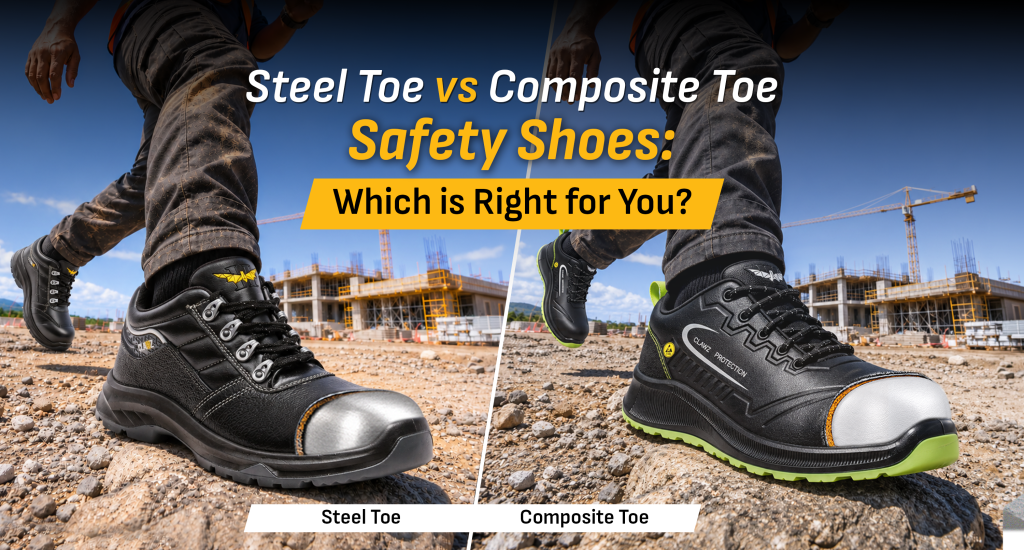
Steel toe caps are commonly used in industrial footwear and provide protection against specified impact and compression hazards. Composite toe caps use non-metallic materials and can offer equivalent specified protection when tested and certified to the applicable standard.
The choice should depend on workplace requirements, product certification and other practical considerations.
3. Evaluate the Outsole
The outsole plays an important role in the shoe's interaction with the working surface.
Consider:
Tread pattern and grip.
Slip-resistance performance.
Resistance to oils or other substances, where required.
Suitability for indoor or outdoor working conditions.
Overall outsole construction and durability.
A sole designed for one type of surface may not be the most suitable option for another. Always check the product's technical specifications.
4. Consider Underfoot Protection
Employees working around nails, metal fragments and other sharp materials may require penetration-resistant footwear.
A penetration-resistant midsole is designed to reduce the risk of sharp objects passing through the sole. However, not all safety shoes include this feature.
Check the applicable safety classification and product documentation before purchasing.
5. Understand Safety Standards and Ratings
Safety shoes should meet the standards required for its intended application.
EN ISO 20345 is an important international standard for safety shoes. It specifies requirements and testing methods for protective features, including toe-cap impact and compression resistance.
Depending on the standard edition and footwear classification, additional properties may include:
Do not assume that every safety shoe includes all these properties. Review the product markings and technical documentation to confirm the features offered by a particular model.
Common Mistakes to Avoid When Buying Safety Shoes
Even when buyers understand the importance of protective footwear, certain mistakes can affect their final selection.
Choosing Only by Size Number: The same size can fit differently across brands and models. Always check the manufacturer's size chart and actual fit.
Ignoring Toe Space: A protective toe cap should not create uncomfortable pressure. Check the available internal space before purchasing.
Selecting Based Only on Appearance: Design matters, but it should not take priority over workplace suitability and certified protective features.
Assuming All Safety Shoes Have the Same Features: Toe protection, slip resistance, penetration resistance and other properties vary by product.
Ignoring the Working Environment: Footwear selected for a warehouse may not meet the requirements of a construction site or manufacturing facility.
Continuing to Wear Damaged Footwear: Worn-out soles, damaged uppers, exposed protective components and sole separation should be addressed through inspection and timely replacement.
How to Maintain the Fit and Condition of Safety Shoes
Selecting the correct safety shoes is only the beginning. Regular care and inspection help identify problems before they affect the shoe's intended performance.
A few practical steps include:
Clean footwear according to the manufacturer's care instructions.
Allow shoes to dry properly after exposure to moisture.
Check the outsole for cracks, separation and excessive tread wear.
Inspect the upper for cuts, tears and damaged stitching.
Check laces, eyelets and fastening systems regularly.
Replace footwear when its protective components or overall construction are damaged.
Employees should also avoid sharing safety shoes, as footwear needs to fit the individual wearer.
Conclusion
Finding the right safety shoes for men requires attention to three important factors: correct fit, appropriate sizing and workplace-specific protection. A shoe that fits well but lacks the required protective features may not be suitable for the job. Similarly, footwear with the necessary certifications can still be difficult to use if the size and fit are incorrect.
Before making a purchase, measure your feet, check the manufacturer's size chart, assess the fit and review the protective features required for your working environment.
At Hillson, the focus is on safety footwear designed for different industrial and workplace requirements. Explore the range of safety shoes for men to find options suited to your footwear and workplace needs.
Frequently Asked Questions About Safety Shoes for Men
1. How do I know which size of safety shoes to buy?
Measure both feet while standing and compare the larger measurement with the manufacturer's size chart. Try the shoes with your regular work socks and check toe space, heel fit and overall stability before purchasing.
2. Should safety shoes be tight or loose?
Safety shoes should fit securely without being tight. There should be enough room for natural toe movement, while the heel and midfoot should remain properly supported.
3. Should I buy safety shoes one size bigger?
Not necessarily. Buying a larger size without checking the actual fit can cause excessive foot movement and friction. Choose the size that provides adequate toe room and a secure fit according to the manufacturer's sizing guide.
4. Are steel toe safety shoes better than regular shoes?
Steel toe safety shoes are designed to provide specified impact and compression protection that ordinary footwear generally does not offer. They are suitable for workplaces where protective toe caps are required.
5. Which safety shoes are suitable for construction workers?
Construction workers may require safety shoes with protective toe caps, suitable outsole grip and penetration-resistant midsoles, depending on the hazards present at the site. The final selection should be based on a workplace risk assessment.
6. How often should safety shoes be replaced?
There is no single replacement interval for every pair. Replacement depends on usage, workplace conditions, manufacturer guidance and the condition of the footwear. Shoes showing significant damage to protective components or construction should be assessed and replaced as necessary.
7. Can I use the same safety shoes for different workplaces?
Not always. Different workplaces have different hazards and footwear requirements. A pair suitable for one environment may not provide all the protective features needed in another.