Imagine wearing safety shoes for an entire shift, only to realise that your feet hurt, the soles don't grip the floor properly, or the footwear isn't suitable for your job.
The problem isn't necessarily the shoes. It could be that you chose the wrong type for your workplace.
From factories and warehouses to construction sites and manufacturing units, safety shoes play an important role in protecting workers against specific workplace hazards. But with different materials, protective features and designs available, how do you know which pair is right for you?
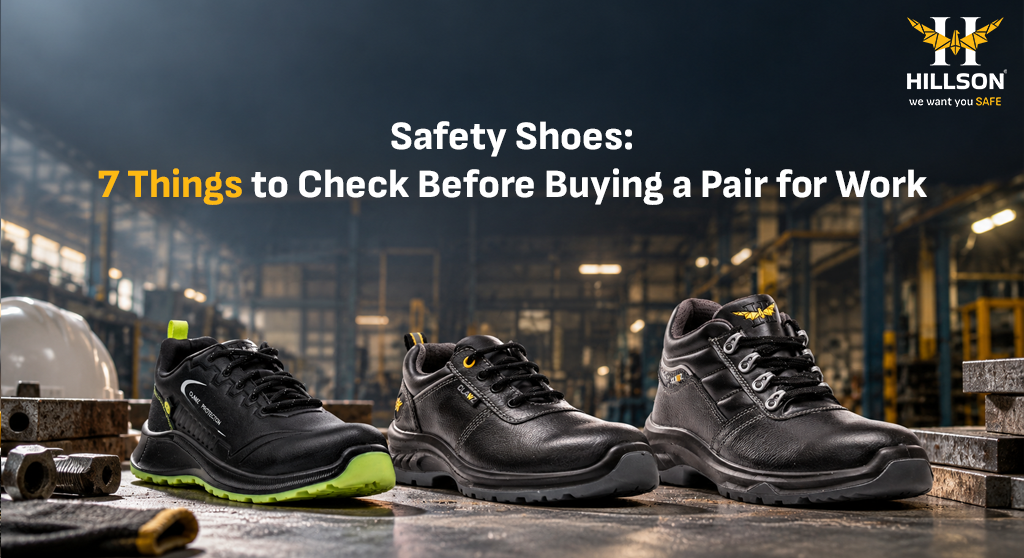
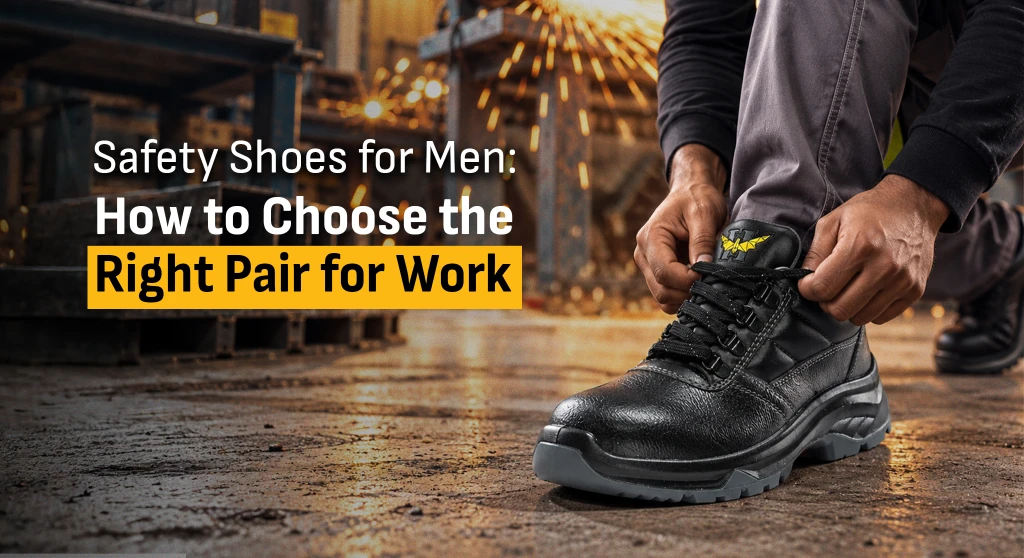
Whether you're buying safety shoes for men, comparing industrial safety shoes for your workforce, or looking for reliable workers safety shoes, these seven checks can help you make a more informed decision.
1. What Should You Look for When Buying Safety Shoes?
The best starting point is your workplace, not the product catalogue.
Different jobs involve different risks. A warehouse employee who spends hours walking may have different footwear requirements from a construction worker handling heavy materials.
Before buying safety shoes, check these seven factors:
Toe protection: Determine whether your job requires protection against falling or rolling objects.
Sole grip: Consider the surfaces you walk on and whether slipping is a recognised workplace hazard.
Comfort and fit: Check sizing, toe space, heel fit and cushioning.
Material: Choose footwear materials suited to the working environment.
Sole construction: Look for properties that match your workplace requirements, including relevant slip resistance.
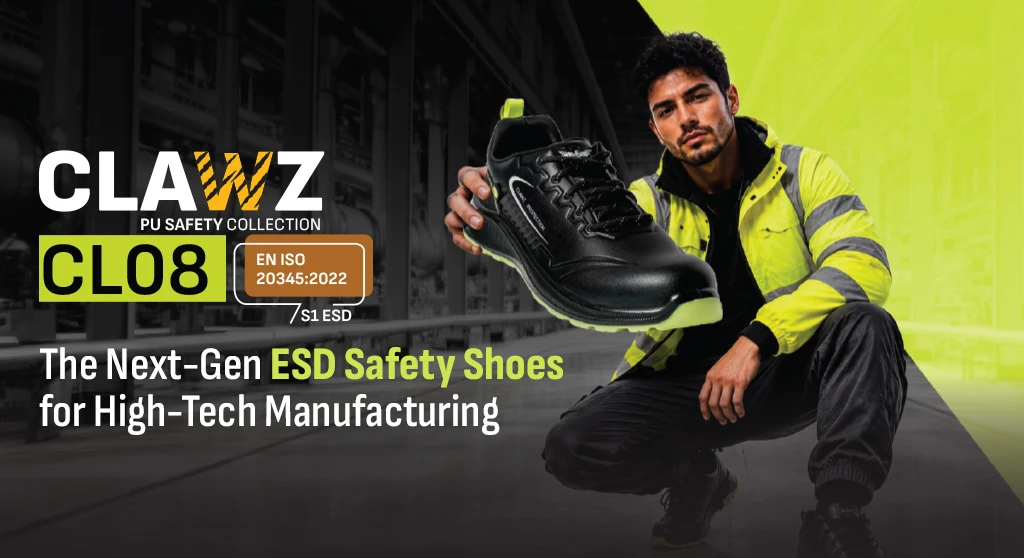
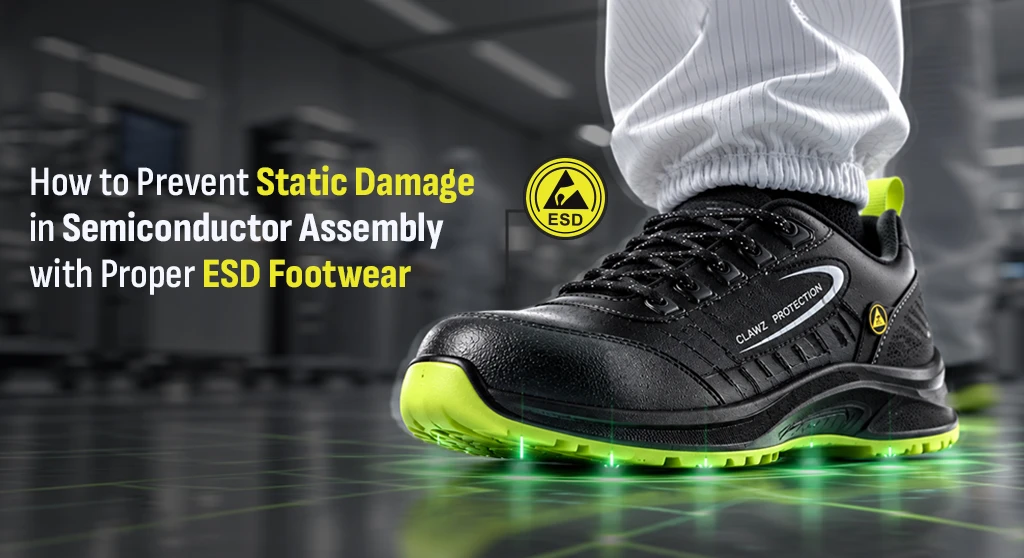
Specialised protection: Determine whether your job requires features such as penetration resistance or electrostatic discharge (ESD) protection.
Applicable standards: Verify the product's certification and documented specifications.
Quick answer: The right safety shoes are those that provide the protection your job requires while fitting properly and remaining suitable for your working conditions.
A shoe with more features isn't automatically the best choice. What matters is whether those features address the hazards you actually face.
2. Which Safety Shoes Are Best for Different Industries?
One of the most common mistakes when purchasing safety footwear is assuming that a single design will work for every job.
Here's how requirements can differ across industries.
Industry | What to Consider When Choosing Safety Shoes |
Construction | Toe protection, suitable grip and features required for site-specific hazards |
Manufacturing | Protection against workplace impact hazards, sole performance and durability |
Warehousing and logistics | Fit, comfort during extended walking and grip appropriate to floor conditions |
Automotive workshops | Toe protection and resistance to workplace substances where required |
Electronics manufacturing | ESD protection where specified by the facility's control programme |
Food processing | Grip on relevant floor surfaces and suitability for the working environment |
Agriculture and outdoor work | Grip, material suitability and protection against identified environmental hazards |
The table provides a starting point, not a universal specification. Employers should assess workplace risks before deciding which protective features are necessary.
For example, industrial safety shoes for a factory floor may not meet the requirements of an electronics manufacturing facility if the latter requires verified ESD footwear.
The right selection starts with the job, not simply the industry label.
3. Steel Toe vs Composite Toe: Which Is Better?
Steel toe and composite toe safety shoes are designed to provide toe protection, but their construction differs.
Understanding the difference can help you narrow down your options.
Feature | Steel Toe | Composite Toe |
Material | Steel | Non-metallic materials |
Toe protection | Depends on the product's verified specifications | Depends on the product's verified specifications |
Metal content | Contains metal | Does not use a metal toe cap |
Weight | Varies by shoe design | May be lighter, depending on construction |
Best suited for | Workplaces where steel-toe footwear meets the requirements | Workplaces where composite-toe footwear meets the requirements |
Should you choose steel toe or composite toe safety shoes?
Neither is automatically better for every worker.
Steel toe footwear may suit jobs where its protective specifications meet the workplace requirements. Composite toe footwear may be worth considering where a metal-free design is preferred or required.
However, a composite toe cap does not automatically mean a shoe is ESD-safe, electrically insulating or suitable for every specialised workplace.
Always verify the product's specifications and applicable safety standards before making a decision.
4. Are Lightweight Safety Shoes Better for Long Working Hours?
If your job involves standing, walking or moving between workstations for most of the day, footwear comfort matters.
But does choosing lightweight safety shoes automatically make them more comfortable?
Not necessarily.
Weight is only one part of the equation. Fit, cushioning, toe-box space, breathability and sole construction can also affect how footwear feels during a shift.
When comparing safety shoes, consider the following:
Correct sizing: Your toes should have adequate room without excessive movement inside the shoe.
Cushioning: Suitable cushioning may improve comfort during extended wear.
Breathability: Materials and construction can affect airflow and moisture management.
Flexibility: The shoe should be appropriate for the movements involved in your job.
Sole performance: Grip and stability should match the working surface.
Workers should also follow their employer's footwear requirements. A lightweight design is not a substitute for the protection required by a workplace risk assessment.
The takeaway: Look for a balance between suitable protection, fit and everyday comfort instead of choosing footwear based on weight alone.
5. How Do You Know If Safety Shoes Meet the Required Safety Standards?
A product description might mention a steel toe, composite toe, slip-resistant sole or other protective features. However, these descriptions alone don't establish whether the footwear meets the requirements of your workplace.
Before purchasing safety shoes, check the product documentation.
In India, buyers may need to verify compliance with applicable Bureau of Indian Standards (BIS) requirements. The relevant standard and product classification should be confirmed for the specific footwear being considered.
Look for information about:
The applicable safety standard.
The product's protective classification, where relevant.
Toe protection and its documented performance.
Sole properties and other required protective features.
Any specialised protection claimed by the manufacturer.
For example, if a facility requires ESD footwear, a metal-free design alone is not sufficient evidence of ESD performance.
Similarly, a claim about slip resistance should be supported by appropriate product specifications rather than assumed from the sole material.
For employers purchasing footwear in bulk, checking documentation before placing an order can help prevent unsuitable products from reaching the workforce.
6. How Often Should You Replace Your Safety Shoes?
Safety shoes don't necessarily need to be replaced after a fixed number of months. Their service life depends on the product, working conditions, frequency of use, maintenance and signs of wear.
So, what should you look for?
Signs that your safety shoes may need replacing
Visible sole damage: Cracks, separation or significant wear may affect footwear performance.
Damaged toe area: If the toe cap or surrounding structure is damaged, the footwear may no longer provide the intended protection.
Worn-out tread: Excessive wear can affect grip, depending on the sole design and working surface.
Broken fastenings: Damaged laces, eyelets or other fastening components may prevent a secure fit.
Changes in fit or structure: Deformation or deterioration may affect comfort and stability.
Exposure to damaging substances: Certain chemicals, oils or other workplace materials may degrade footwear, depending on its construction.
Workers should follow the manufacturer's inspection and replacement guidance, along with their employer's safety procedures.
Importantly, damaged protective footwear should not be kept in service simply because it has not reached an expected replacement date.
7. How Can Businesses Choose the Right Workers Safety Shoes in Bulk?
For procurement teams, selecting workers safety shoes involves more than comparing prices across suppliers.
The challenge is to find footwear that meets workplace requirements while remaining practical for the people who wear it.
Before finalising a bulk order, businesses should consider five questions:
What hazards do employees face? Assess the risks associated with each role or department.
Which protective features are mandatory? Define the required specifications before comparing products.
Are the sizes suitable for the workforce? Check the available size range and establish a process for assessing fit.
Can the supplier provide product documentation? Verify applicable standards, classifications and claimed features.
What is the expected service life? Consider working conditions, maintenance and replacement requirements alongside the purchase price.
It can also help to separate footwear requirements by job role rather than issue the same model to every employee.
For example, warehouse staff and electronics assembly workers may need different footwear specifications, even when they work within the same organisation.
A clearly defined procurement process helps businesses compare products on relevant criteria instead of relying only on price or appearance.
Why Does Choosing the Right Safety Footwear Matter?
Safety shoes are one part of a broader workplace safety programme. Its role is to provide the protection specified for particular hazards, but it cannot eliminate every workplace risk.
Employers should combine suitable footwear with appropriate training, hazard controls, equipment maintenance and workplace procedures.
Workers also play an important role by wearing the footwear as intended, checking it for damage and reporting problems that could affect its performance.
For businesses evaluating protective footwear, Hillson offers safety footwear for different workplace requirements. Buyers should review the specifications of individual products to identify options that match their applications and required protection.
Ultimately, choosing safety shoes is not about finding the pair with the longest feature list. It's about understanding the job, identifying the risks and selecting footwear that meets the requirements.
Frequently Asked Questions About Safety Shoes
These FAQs address common questions buyers may have when researching safety footwear.
1. What are safety shoes used for?
Safety shoes are designed to help protect workers against specific workplace hazards. Depending on their construction and specifications, they may provide features such as toe protection, suitable sole grip or specialised protection for designated working environments.
The right footwear depends on the hazards identified in the workplace.
2. Which safety shoes are best for men?
The best safety shoes for men depend on the job, required protective features, fit and working conditions. Construction workers, warehouse employees and manufacturing staff may have different requirements.
Buyers should assess workplace hazards, check product specifications and choose a suitable size rather than relying on appearance or price alone.
3. What is the difference between safety shoes and industrial safety shoes?
Safety shoes is a broad term for footwear designed to provide protection against workplace hazards. Industrial safety shoes generally refers to safety footwear selected for industrial environments, such as factories, production facilities and warehouses.
The actual protection offered depends on the individual product's design and verified specifications.
4. Are lightweight safety shoes safe?
Lightweight safety shoes can be suitable when they meet the protective requirements of the job. However, low weight alone does not establish safety.
Buyers should verify the footwear's protective features, applicable standards and suitability for the intended working environment.
5. How do I choose safety shoes for factory workers?
Start by identifying the hazards associated with each factory role. Check whether workers need toe protection, slip resistance, penetration resistance or specialised features such as ESD protection.
Then compare product specifications, fit, sizing options and applicable safety standards before making a purchase.
6. Are steel toe safety shoes better than composite toe safety shoes?
Neither option is universally better. Steel toe and composite toe designs differ in material and construction, while their suitability depends on the product's verified protective performance and workplace requirements.
Choose the type that meets the identified hazards and applicable specifications.
7. How long do safety shoes last?
There is no universal replacement period for all safety shoes. Their service life depends on construction, frequency of use, working conditions, maintenance and damage.
Inspect footwear regularly and follow the manufacturer's replacement guidance and workplace safety procedures.
8. What should I check before buying safety shoes in bulk?
Businesses should assess workplace hazards, define mandatory protective features, verify product documentation, check available sizes and evaluate durability and replacement requirements.
Bulk purchasing decisions should prioritise suitability and required protection rather than price alone.
9. Do all safety shoes provide slip resistance?
No. Slip resistance depends on the footwear's design, outsole and verified performance under relevant test conditions. Buyers should check the product specifications and ensure the footwear is suitable for the surfaces encountered at work.
10. Can metal-free safety shoes be used in electronics manufacturing?
They may be suitable for some applications, but metal-free construction does not automatically provide electrostatic discharge protection.
Where ESD footwear is required, buyers should verify the product's ESD specifications and ensure it is suitable for the facility's overall ESD control programme.